Surveillance for enteric fever in Asia project (SEAP)
Project Summary Study Duration Objectives Team Members Project SummarySEAP is…



Project Summary Study Duration Objectives Team Members Project SummarySEAP is…
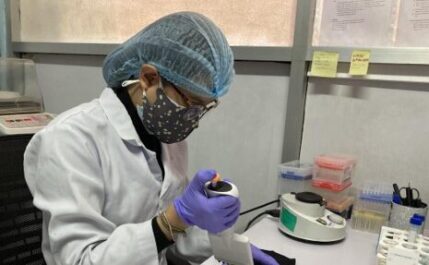
Hepatitis E is primarily a waterborne disease transmitted by fecal-to-oral route and a major public health concern in developing countries.
With the massive outbreak of pneumonia reported in Wuhan, China in December 2019, the disease was named as Coronavirus disease 2019
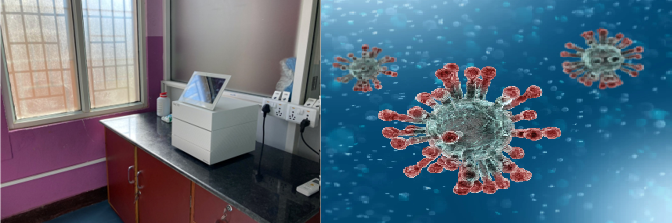
The spread of SARS-CoV-2 has become a global public health crisis. In Nepal, since the first detection of COVID-19 in January 2020

The Surveillance of Enteric Fever in Asia Project (SEAP) project has been operating in Nepal for 5 years with approval from NHRC granted in September 2016.
The Surveillance of Enteric fever in Asia Project (SEAP) Phase II is a prospective multi-site aiming to generate data to inform policy
The Surveillance of Enteric Fever in Asia Project (SEAP) phase III is a prospective study multi site aiming to generate data to inform policy recommendations on enteric fever prevention and control, as well as facilitate typhoid vaccine implementation.
Enteric fever is a common collective term for two similarly transmitted Salmonellosis infections; typhoid and paratyphoid fevers, respectively causing an estimated 26 million and 5
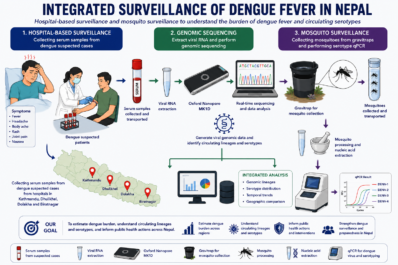
Dengue fever is a significant and growing public health concern in Nepal, with outbreaks occurring every 2 to 3 years and cases increasing

The absence of credible estimates of the burden of enteric fever has discounted the impact of the disease and thus, prevention and control efforts