

- Project Summary
- Study Duration
- Objectives
- Outcomes
- Team Members
- Publications
Project Summary
Hepatitis A virus (HAV) is a common cause of liver inflammation in low-resource settings primarily transmitted by the fecal-oral route(1). The clinical severity and mortality increase with age where clinical disease ranges from self-limiting and often clinically undetectable hepatitis to fulminant acute liver failure leading to death. Most of the cases are self-limiting with almost everyone recovering fully from HAV infection with life-long immunity. While treatment for HAV is not definitive and involves supportive care, HAV is one of the most common vaccine-preventable infections(2). The number of hepatitis cases due to HAV has generally declined in settings where there have been efforts to improve the quality of water, sanitation, and hygiene. As a result, there is reduced exposure to HAV in early childhood which has led to a decline in herd immunity and consequently a change in the epidemiology with an increased mean age of HAV infection(3). Reports from Kathmandu indicated that sub-clinical hepatitis due to HAV was so common, that almost all children above 5 years elicited anti-HAV IgG antibodies(4). The reports from 1986 to 2002, indicated that adults accounted for only 4% of the cases compared to reports from 2013 noted that HAV caused hepatitis in about 40% of the adults(4, 5). In resource-abundant settings where there are effective WASH programs transmission is driven by close contact and is generally limited to close sexual contact such as oral-anal sex(1, 3). Although Nepal is considered endemic for HAV, there is sub-optimal surveillance to fully describe the burden of HAV and therefore limited capacity to develop a national control plan. There is no population-level data on hepatitis A from Nepal
Study Duration
From March 2024 to December 2024
Objectives
To determine the sero prevalence of HAV in Nepal.
Outcomes
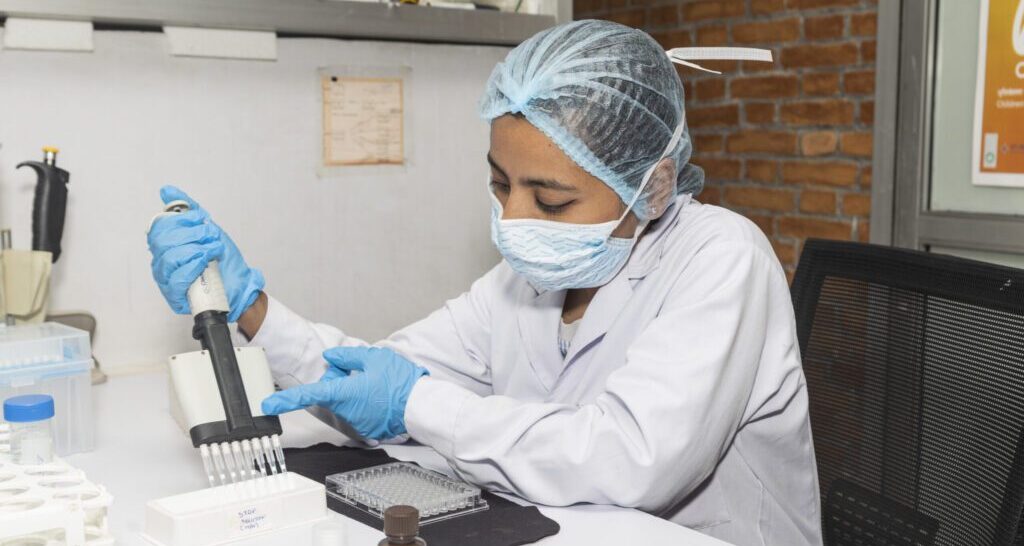
We expect to understand the seropositivity of HAV in Nepal among different age groups and ecological zones. Additionally, from the research work, additional research staff will perform capacity-building training.
Team Members
Co-Principal Investigator(s): Dr. Dipesh Tamrakar, Dr. Derick Kimathi
Co-Investigator(s): Prof. Dr. Rajeev Shrestha, Dr. Julia Lynch,Ms. Aastha Shrestha, Mr. Sabin Bikram Shahi, Mr. Shiva Ram Naga, Dr. Nimesh Poudyal, Mr. Nishan Katuwal
Project Coordinator(s): Ms. Aastha Shrestha
Research Assistant(s): Ms. Mamata Maharjan, Ms. Aarjya Tara Bajracharya, Ms. Sarita Gosain
Supported by: International Vaccine Institute (IVI), South Korea
Collaborating Partners: Nepal Medical College & Teaching Hospital (NMCTH), Nepal
Publications
Not Yet Published