
- Project Summary
- Study Duration
- Objectives
- Outcomes
- Team Members
- Publications
Project Summary
Nepal is a country rich in biodiversity because of its unique geographical position as well as its altitudinal and climatic variations. Because of this, diverse plant species are found from sea level to high hills under different ecological niches, and these are the great sources for research to discover value-added products in the fields of medicine, industry and agriculture. In Nepal tremendous amounts of study is carried out in phytochemical extraction of plants, especially on medically important plants but no significant exploration of endophytic microorganisms from these plants has been carried out. Endophytic microbiomes are considered as the hidden members of the microbial world producing diverse structural metabolites with a wide range of applications as agrochemicals, antibiotics, immunosuppressants, antioxidants, antiparasitic, and anticancer activity. So, here we intend to study the endophytic microbes of plants.
Study Duration
2024-2027
Objectives
To explore the antimicrobial potential of endophytic microbiomes, particularly those associated with fungi, and to understand the molecular mechanisms behind their activity against multidrug-resistant bacteria
Outcomes
The aim of this project is to study the antimicrobial activity of the endophytic microbiomes of Taxus spp. collected from different districts of Nepal such as: Darchula, Bajura, Mugu, Mustang, Kavrepalanchok, Dolkha, Sankhuwasabha and Taplejung. RNA sequencing for high bioactive producing microbiomes will be performed to study the gene that is responsible for producing the bioactive compound.
Team Members
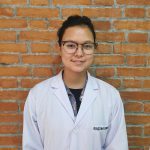
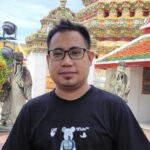
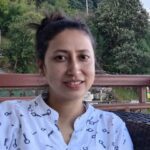
Principal Investigator(s): Prof. Dr. Rajeev Shrestha, Prof. Dr. Dhurva P. Gauchan
Co-Investigator(s): Ms. Aastha Shrestha, Mr. Shiva Ram Naga
Project Coordinator(s): Mr. Shiva Ram Naga
Research Assistant(s): Ms. Mamata Maharjan
Supported by: University Grant Commission, Nepal
Collaborating Partners: Department of Biotechnology, Department of Pharmacy, Kathmandu University and Wonkwang University, South Korea
Publications
Not Yet Published